


Protecting Prudent Investment of Retirement Savings Act
Official title: To amend the Employee Retirement Income Security Act of 1974 to specify requirements concerning the consideration of pecuniary and non-pecuniary factors, and for other purposes.
What Do You Think?
How would you vote?
Vote to see the result.
What Happened in Congress?
January 15, 2026
- HousePassed 213 to 205
Where the Bill Stands
- Introduced, done
- Committee, done
- Floor Vote, done
- Outcome, current stage
How Congress Voted
How Congress Voted
How Congress VotedOfficial Record418members of the House voted
213 Yea, 205 Nay, 0 Present
13 Not Voting
- Yea
- Nay
- Present
- Not Voting
| Party | Yea | Nay | Present | Not Voting |
|---|---|---|---|---|
| Republican | 210 | 0 | 0 | 8 |
| Democrat | 3 | 205 | 0 | 5 |
| Total | 213 | 205 | 0 | 13 |
Republican
- Yea
- 210
- Nay
- 0
- Present
- 0
- Not Voting
- 8
Democrat
- Yea
- 3
- Nay
- 205
- Present
- 0
- Not Voting
- 5
House roll call vote, January 15, 2026
How Each Member Voted
House: On Passage
Yea 213







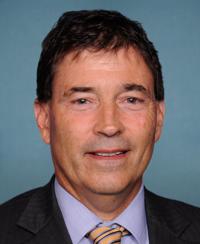




Nay 205
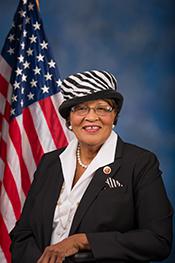
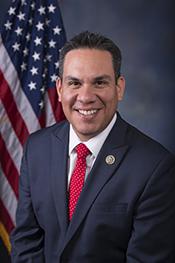





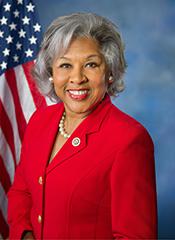


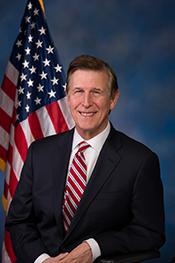
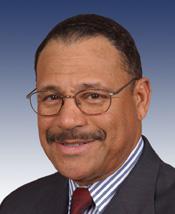








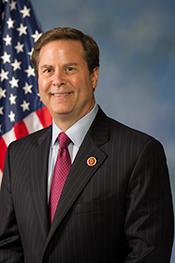



What This Bill Does
This bill modifies the requirements for fiduciaries of employer-sponsored retirement plans.
First, the bill generally requires a plan fiduciary to make investment decisions based solely on pecuniary factors (i.e., factors that a fiduciary prudently determines are expected to have a material effect on the risk or return of an investment based on appropriate investment horizons consistent with the plan's policies and objectives).
The bill allows nonpecuniary factors to be considered in certain situations, such as when selecting investment options for certain participant-directed retirement plans or if the fiduciary is unable to distinguish between investment alternatives on the basis of pecuniary factors alone.
The bill also prohibits a plan fiduciary from discriminating when selecting, monitoring, and retaining any fiduciary, counsel, employee, or service provider of the plan.
The bill requires a plan fiduciary to act solely and prudently in accordance with the interests of the plan's participants and beneficiaries when exercising a shareholder right (e.g., voting of proxies). However, the fiduciary duty to manage shareholder rights does not require the voting of every proxy or the exercise of every shareholder right.
Finally, the bill requires a plan fiduciary to provide specified notices with respect to a pension plan that provides a participant or beneficiary the opportunity to select from designated investment alternatives.
Sponsors

Related Documents
Timeline
- SenateReceived in the Senate and Read twice and referred to the Committee on Health, Education, Labor, and Pensions.
- House floor actionsConsidered under the provisions of rule H. Res. 988. (consideration: CR H897-907; text of amendment in the nature of a substitute: CR H897-899)
- Floor Vote
- Passed the House
- House floor actionsRules Committee Resolution H. Res. 988 Reported to House. Rule provides for consideration of H.R. 2988, H.R. 2262, H.R. 2270, H.R. 2312 and H.R. 4366. The resolution provides for consideration of H.R. 2988 under a structured rule, and H.R. 2262, H.R. 2270, H.R. 2312, and H.R. 4366 under a closed rule. The rule provides for one hour of general debate and one motion to recommit on each bill.
- House floor actionsReported (Amended) by the Committee on Education and Workforce. H. Rept. 119-421.
- House committee actionsCommittee Consideration and Mark-up Session Held
- Library of CongressIntroduced in House
- House floor actionsReferred to the House Committee on Education and Workforce.
- Introduced
- Committee


Comments
Comments with insults, hate speech or personal information are removed.