


Keeping Deposits Local Act
Official title: To amend the Federal Deposit Insurance Act to modify the amount of reciprocal deposits of an insured depository institution that are not considered to be funds obtained by or through a deposit broker, and for other purposes.
What Do You Think?
How would you vote?
Vote to see the result.
What Happened in Congress?
May 20, 2026
- HousePassed 405 to 0
Where the Bill Stands
- Introduced, done
- Committee, done
- Floor Vote, done
- Outcome, current stage
How Congress Voted
How Congress Voted
How Congress VotedOfficial Record405members of the House voted
405 Yea, 0 Nay, 0 Present
25 Not Voting
- Yea
- Nay
- Present
- Not Voting
| Party | Yea | Nay | Present | Not Voting |
|---|---|---|---|---|
| Republican | 200 | 0 | 0 | 17 |
| Democrat | 204 | 0 | 0 | 8 |
| Independent | 1 | 0 | 0 | 0 |
| Total | 405 | 0 | 0 | 25 |
Republican
- Yea
- 200
- Nay
- 0
- Present
- 0
- Not Voting
- 17
Democrat
- Yea
- 204
- Nay
- 0
- Present
- 0
- Not Voting
- 8
Independent
- Yea
- 1
- Nay
- 0
- Present
- 0
- Not Voting
- 0
House roll call vote, May 20, 2026
How Each Member Voted
House: On Motion to Suspend the Rules and Pass, as Amended
Yea 405
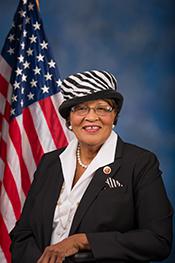
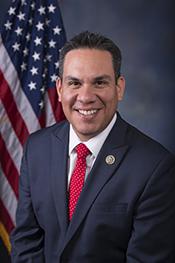
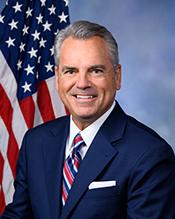












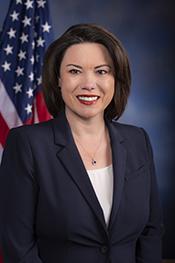






What This Bill Does
This bill increases the amount insured depository institutions may accept as reciprocal deposits. (Reciprocal deposits are used by institutions to increase the availability of deposit insurance by splitting large deposits using a reciprocal network of institutions.) The bill creates a tiered system so that the allowable amount is based on the institution's total liabilities.
Additionally, the bill changes certain qualifications insured depository institutions may be required to have to accept reciprocal deposits. Under current law, institutions may qualify by having a composite rating of outstanding or good, among other requirements. The bill allows institutions with a 1, 2, or 3 rating under the CAMELS scale to qualify. (The Uniform Financial Institutions Rating System uses the characteristics of capital adequacy, asset quality, management, earnings, liquidity, and sensitivity to market risk (i.e., CAMELS ratings) to rate the health of financial institutions, with a 1 indicating the highest rating and least degree of supervisory concern and a 5 indicating the lowest rating and highest degree of supervisory concern.)
Sponsors

Related Documents
Timeline
- SenateReceived in the Senate and Read twice and referred to the Committee on Banking, Housing, and Urban Affairs.
- House floor actionsConsidered as unfinished business. (consideration: CR H3644-3645)
- Floor Vote
- Passed the House
- House floor actionsMr. Hill (AR) moved to suspend the rules and pass the bill, as amended.
- House floor actionsReported (Amended) by the Committee on Financial Services. H. Rept. 119-362.
- House committee actionsCommittee Consideration and Mark-up Session Held
- Library of CongressIntroduced in House
- House floor actionsReferred to the House Committee on Financial Services.
- Introduced
- Committee


Comments
Comments with insults, hate speech or personal information are removed.