


Faster Labor Contracts Act
Official title: To accelerate workplace time-to-contract under the National Labor Relations Act.
What Do You Think?
How would you vote?
Vote to see the result.
What Happened in Congress?
June 9, 2026
- HousePassed 230 to 193
Where the Bill Stands
- Introduced, done
- Committee, done
- Floor Vote, done
- Outcome, current stage
How Congress Voted
How Congress Voted
How Congress VotedOfficial Record423members of the House voted
230 Yea, 193 Nay, 0 Present
7 Not Voting
- Yea
- Nay
- Present
- Not Voting
| Party | Yea | Nay | Present | Not Voting |
|---|---|---|---|---|
| Republican | 20 | 192 | 0 | 5 |
| Democrat | 210 | 0 | 0 | 2 |
| Independent | 0 | 1 | 0 | 0 |
| Total | 230 | 193 | 0 | 7 |
Republican
- Yea
- 20
- Nay
- 192
- Present
- 0
- Not Voting
- 5
Democrat
- Yea
- 210
- Nay
- 0
- Present
- 0
- Not Voting
- 2
Independent
- Yea
- 0
- Nay
- 1
- Present
- 0
- Not Voting
- 0
House roll call vote, June 9, 2026
How Each Member Voted
House: On Passage
Yea 230
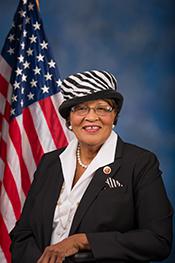
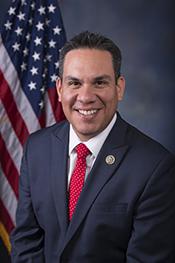

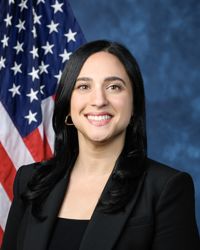




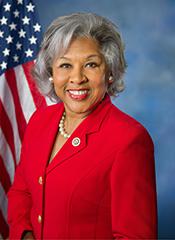

Nay 193









What This Bill Does
This bill establishes mandatory deadlines for parties negotiating an initial collective bargaining agreement (CBA) and provides for mediation and arbitration to finalize CBAs.
Under the bill, CBA negotiations must begin within 10 days after an employer receives a written request from a newly recognized or certified bargaining representative. The bill provides that parties must make every reasonable effort to conclude and sign a CBA. Further, the bill provides that, if the parties have not reached an agreement after 90 days, either party may request mediation by the Federal Mediation and Conciliation Service (FMCS). The bill directs FMCS to use its best efforts to secure an agreement.
If mediation does not result in an agreement within 30 days (or an additional period agreed to by both parties), FMSC must refer the parties to an arbitration panel to render a decision settling the dispute. The panel must consider specified factors, including the employer's financial prospects and employees' cost of living. The resulting CBA is binding on the parties for two years. (Parties may agree to amend the terms during the two-year period.)
The bill specifies that (1) an employer must maintain current wages, hours, terms, and conditions of employment during negotiations; and (2) an employer's duty to collectively bargain continues even if a representative has been decertified.
The Government Accountability Office must report to Congress regarding the average number of days between the certification or recognition of a bargaining representative and the date the initial CBA was executed.
Sponsors

Related Documents
Timeline
- SenateReceived in the Senate.
- House floor actionsConsidered under the provisions of rule H. Res. 1140. (consideration: CR H4029-4037)
- Library of CongressPassed/agreed to in House: On passage Passed by the Yeas and Nays: 230 - 193 (Roll no. 216).
- Floor Vote
- Passed the House
- Library of CongressIntroduced in House
- House floor actionsReferred to the House Committee on Education and Workforce.
- Introduced
- Committee


Comments
Comments with insults, hate speech or personal information are removed.