


TRUE Accountability Act
Official title: To require certain agencies to develop plans for internal control in the event of an emergency or crisis, and for other purposes.
What Do You Think?
How would you vote?
Vote to see the result.
What Happened in Congress?
June 8, 2026
- HousePassed 384 to 0
Where the Bill Stands
- Introduced, done
- Committee, done
- Floor Vote, done
- Outcome, current stage
How Congress Voted
How Congress Voted
How Congress VotedOfficial Record384members of the House voted
384 Yea, 0 Nay, 0 Present
46 Not Voting
- Yea
- Nay
- Present
- Not Voting
| Party | Yea | Nay | Present | Not Voting |
|---|---|---|---|---|
| Republican | 198 | 0 | 0 | 19 |
| Democrat | 185 | 0 | 0 | 27 |
| Independent | 1 | 0 | 0 | 0 |
| Total | 384 | 0 | 0 | 46 |
Republican
- Yea
- 198
- Nay
- 0
- Present
- 0
- Not Voting
- 19
Democrat
- Yea
- 185
- Nay
- 0
- Present
- 0
- Not Voting
- 27
Independent
- Yea
- 1
- Nay
- 0
- Present
- 0
- Not Voting
- 0
House roll call vote, June 8, 2026
How Each Member Voted
House: On Motion to Suspend the Rules and Pass, as Amended
Yea 384









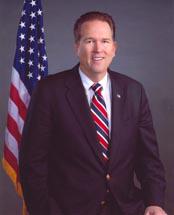
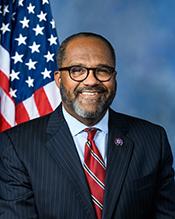
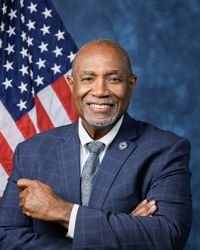
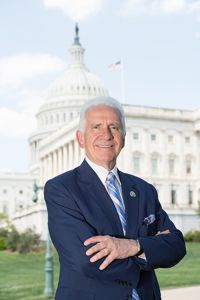

What This Bill Does
This bill requires agencies to develop and implement plans for preventing fraud and improper payments relating to federal emergency spending (e.g., providing funding relating to disasters or pandemics).
The Office of Management and Budget (OMB) must issue, and review every three years, guidance to agencies for developing plans with appropriate internal controls. The guidance must incorporate the current Government Accountability Office frameworks for managing fraud risk in federal programs and managing improper payments in federal emergency assistance.
Within one year after the bill’s enactment, agencies must submit to OMB plans required by the guidance. Each plan must include procedures to (1) evaluate the risk of financial loss to the federal government caused by improper payments and fraud relating to the agency’s federal emergency spending; (2) develop risk reduction strategies that are, to the extent possible, implemented prior to expenditure; and (3) adopt payment monitoring to identify and reduce improper and fraudulent payments (e.g., anomaly detection). Agencies must revise and resubmit plans, as necessary, at least every three years.
OMB must annually submit the plans to Congress along with information relating to helping agencies implement the plans and legislative recommendations for emergency appropriations.
Sponsors

Related Documents
Timeline
- SenateReceived in the Senate and Read twice and referred to the Committee on Homeland Security and Governmental Affairs.
- House floor actionsMr. Gill (TX) moved to suspend the rules and pass the bill, as amended.
- Floor Vote
- Passed the House
- House committee actionsCommittee Consideration and Mark-up Session Held
- Library of CongressIntroduced in House
- House floor actionsReferred to the House Committee on Oversight and Government Reform.
- Introduced
- Committee


Comments
Comments with insults, hate speech or personal information are removed.