


Ratepayer Protection Act
Official title: To amend the Public Utility Regulatory Policies Act of 1978 to establish a Federal standard relating to the recovery of the full, incremental costs of upgrades that serve large-load customers, and for other purposes.
What Do You Think?
How would you vote?
Vote to see the result.
What Happened in Congress?
September 16, 2026
- HousePassed 417 to 3
- SenateDebate could not be ended, 57 to 43
Where the Bill Stands
- Introduced, done
- Committee, done
- Floor Vote, done
- Outcome, current stage
How Congress Voted
How Congress Voted
How Congress VotedOfficial Record420members of the House voted
417 Yea, 3 Nay, 0 Present
12 Not Voting
- Yea
- Nay
- Present
- Not Voting
| Party | Yea | Nay | Present | Not Voting |
|---|---|---|---|---|
| Republican | 210 | 0 | 0 | 7 |
| Democrat | 206 | 3 | 0 | 5 |
| Independent | 1 | 0 | 0 | 0 |
| Total | 417 | 3 | 0 | 12 |
Republican
- Yea
- 210
- Nay
- 0
- Present
- 0
- Not Voting
- 7
Democrat
- Yea
- 206
- Nay
- 3
- Present
- 0
- Not Voting
- 5
Independent
- Yea
- 1
- Nay
- 0
- Present
- 0
- Not Voting
- 0
House roll call vote, September 16, 2026
How Each Member Voted
House: On Motion to Suspend the Rules and Pass, as Amended
Yea 417
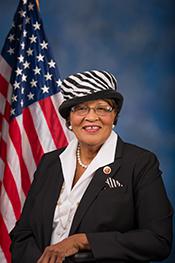

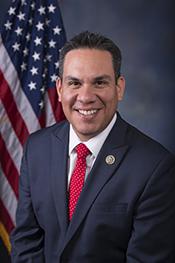
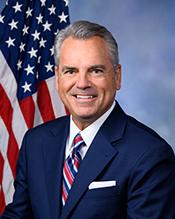





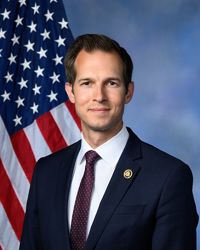






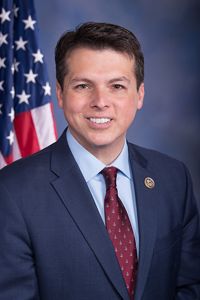
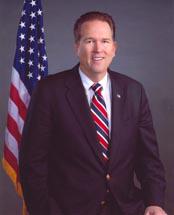
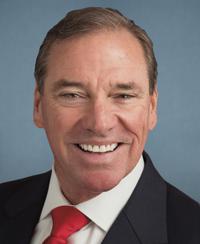






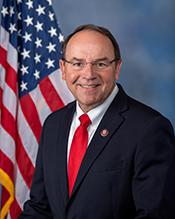

What This Bill Does
The bill requires state utility regulators and nonregulated utilities to consider implementing a standard to hold certain large-load customers responsible for the costs associated with any generation, transmission, or distribution upgrade of electric service necessary to serve such customers. A large-load customer means a non-residential electric consumer that enters, or requests to enter, an agreement concerning the sale of electric energy primarily to operate information technology infrastructure and related systems pertaining to data storage and computational applications and services (e.g., data centers) that have a peak electric demand of 100 megawatts or more at a single site or campus.
Specifically, the bill requires states to consider implementing a federal standard for large-load customers. The standard must require rates charged by electric utilities for providing electric service to a large-load customer to be designed to recover from the large-load customer the full, incremental cost of any generation, transmission, or distribution upgrade necessary to serve such customer. This rate must include the costs that would be incurred if the large-load customer terminates an agreement with the electric utility pertaining to the sale of electric energy or otherwise ceases the purchase of energy from the electric utility.
Under the standard, an electric utility must require the large-load customer to provide to the utility financial assurances or contributions to cover the cost of any generation, transmission, or distribution upgrade that is necessary to serve the load of a large-load customer before the utility makes any generation, transmission, or distribution upgrade.
Sponsors

Related Documents
Timeline
- SenateMotion to proceed to consideration of measure made in Senate. (CR S5199)
- SenateMotion to proceed to consideration of measure made in Senate.
- SenateMotion to proceed to consideration of measure made in Senate. (CR S5065)
- SenateRead the second time. Placed on Senate Legislative Calendar under General Orders. Calendar No. 684.
- SenateRead the first time. Placed on Senate Legislative Calendar under Read the First Time.
- SenateReceived in the Senate.
- House floor actionsConsidered as unfinished business. (consideration: CR H5958-5959)
- Floor Vote
- Passed the House
- House floor actionsMr. Guthrie moved to suspend the rules and pass the bill, as amended.
- House floor actionsReported (Amended) by the Committee on Energy and Commerce. H. Rept. 119-814.
- House committee actionsCommittee Consideration and Mark-up Session Held
- House committee actionsCommittee Consideration and Mark-up Session Held
- House committee actionsSubcommittee Consideration and Mark-up Session Held
- Library of CongressIntroduced in House
- House floor actionsReferred to the House Committee on Energy and Commerce.
- House committee actionsReferred to the Subcommittee on Energy.
- Introduced
- Committee



Comments
Comments with insults, hate speech or personal information are removed.