


Laken Riley Act
Official title: A bill to require the Secretary of Homeland Security to take into custody aliens who have been charged in the United States with theft, and for other purposes.
What Do You Think?
How would you vote?
Vote to see the result.
What Happened in Congress?
Public Law 119-1, January 29, 2025
- SenatePassed 64 to 35
- HousePassed 263 to 156
- PresidentSigned into law
Became Law
Official RecordWhere the Bill Stands
- Introduced, done
- Committee, done
- Floor Vote, done
- Outcome, shown after you vote
How Congress Voted
How Congress Voted
How Congress VotedOfficial Record419members of the House voted
263 Yea, 156 Nay, 0 Present
14 Not Voting
- Yea
- Nay
- Present
- Not Voting
| Party | Yea | Nay | Present | Not Voting |
|---|---|---|---|---|
| Republican | 217 | 0 | 0 | 1 |
| Democrat | 46 | 156 | 0 | 13 |
| Total | 263 | 156 | 0 | 14 |
Republican
- Yea
- 217
- Nay
- 0
- Present
- 0
- Not Voting
- 1
Democrat
- Yea
- 46
- Nay
- 156
- Present
- 0
- Not Voting
- 13
House roll call vote, January 22, 2025
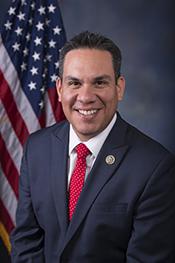
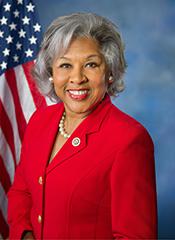
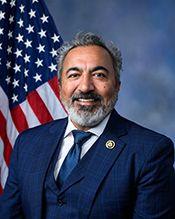
How Each Member Voted
House: On Passage
Yea 263








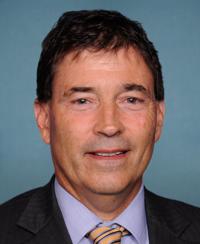



Nay 156



















What This Bill Does
This act requires the Department of Homeland Security (DHS) to detain certain non-U.S. nationals (aliens under federal law) who have been arrested for burglary, theft, larceny, shoplifting, assault of a law enforcement officer, or any crime that results in death or serious bodily injury to another person. The act also authorizes states to sue the federal government for decisions or alleged failures related to immigration enforcement.
Under this act, DHS must detain an individual who (1) is unlawfully present in the United States or did not possess the necessary documents when applying for admission; and (2) has been charged with, arrested for, convicted of, or admits to having committed acts that constitute the essential elements of the above crimes.
The act also authorizes state governments to sue for injunctive relief over certain immigration-related decisions or alleged failures by the federal government if the decision or failure caused the state or its residents harm, including financial harm of more than $100. Specifically, the state government may sue the federal government over a
- decision to release a non-U.S. national from custody;
- failure to fulfill requirements relating to inspecting individuals seeking admission into the United States, including requirements related to asylum interviews;
- failure to fulfill a requirement to stop issuing visas to nationals of a country that unreasonably denies or delays acceptance of nationals of that country;
- violation of limitations on immigration parole, such as the requirement that parole be granted only on a case-by-case basis; or
- failure to detain an individual who has been ordered removed from the United States.
Sponsors

Related Documents
Timeline
- Library of CongressSigned by President.
- Became Law
- House floor actionsPresented to President.
- House floor actionsRule H. Res. 53 passed House.
- Floor Vote
- SenateMessage on Senate action sent to the House.
- House floor actionsReceived in the House.
- Committee
- SenateConsidered by Senate. (consideration: CR S246-251)
- Library of CongressPassed/agreed to in Senate: Passed Senate with an amendment by Yea-Nay Vote. 64 - 35. Record Vote Number: 7.
- SenateConsidered by Senate. (consideration: CR S237-241)
- SenateConsidered by Senate. (consideration: CR S198-218)
- SenateConsidered by Senate. (consideration: CR S161-182)
- SenateConsidered by Senate. (consideration: CR S130)
- SenateMotion to proceed to measure considered in Senate. (CR S83)
- SenateMotion to proceed to measure considered in Senate. (CR S70)
- SenateMotion to proceed to consideration of measure made in Senate. (CR S46)
- SenateRead the second time. Placed on Senate Legislative Calendar under General Orders. Calendar No. 1.
- Library of CongressIntroduced in Senate
- SenateIntroduced in the Senate. Read the first time. Placed on Senate Legislative Calendar under Read the First Time.
- Introduced





Comments
Comments with insults, hate speech or personal information are removed.